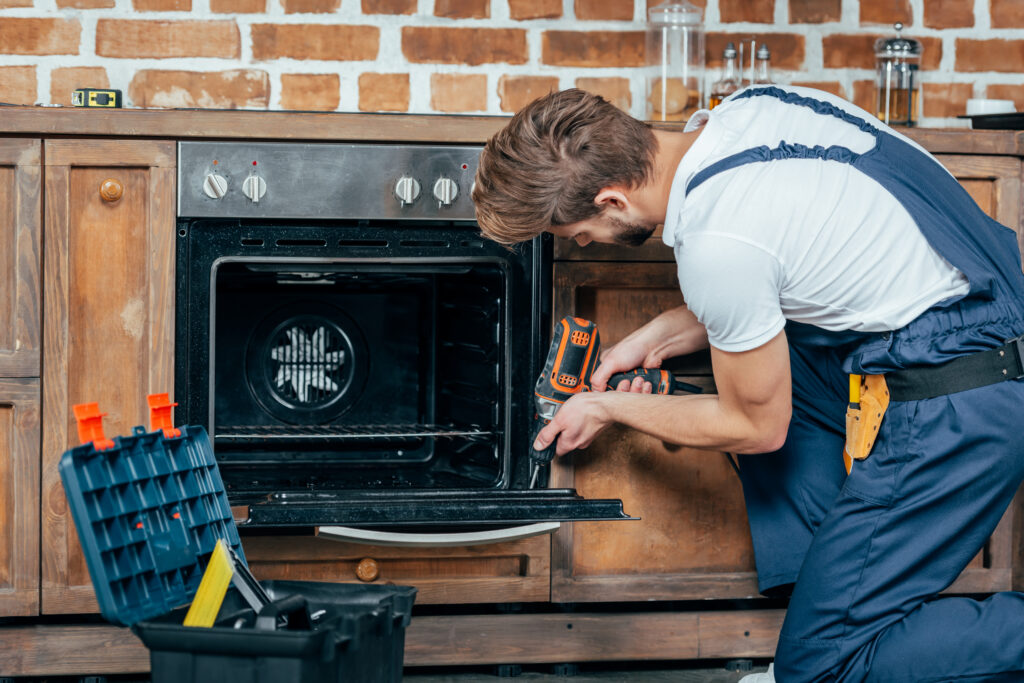
Image by Freepik
Cooking and baking are some of the most enjoyable activities in a household, especially when it comes to preparing delicious meals for your family and friends. However, what happens when your oven fails to heat up?
This can be an incredibly frustrating problem for homeowners, as it can prevent you from making your favorite recipes or hosting dinner parties.
There are several reasons why an oven may fail to heat up, from a simple malfunction to a more serious issue.
Whatever the cause, it’s important to identify and fix the problem as soon as possible to avoid further damage and ensure your oven works properly.
In this post, we’ll explore the most common causes of an oven not heating up, how to troubleshoot the issue, and how to fix it. So, let’s get started!
Common Causes of an Oven Not Heating Up
If you’re experiencing issues with your oven not heating up, there could be several reasons for this. Some of the most common causes include:
- A broken heating element: The heating element is a vital component of your oven that heats up the air inside. If it’s broken or damaged, your oven won’t be able to heat up correctly.To check if your heating element is faulty, you can inspect it for any visible signs of damage, such as cracks or burns. You can also use a multimeter to test its electrical continuity.
- A faulty temperature sensor: The temperature sensor is responsible for measuring the temperature inside the oven and sending the information to the control board. If it’s not working correctly, it can cause your oven to heat up too much or not enough. You can check if your temperature sensor is faulty by using a multimeter to test its resistance. If it’s not within the recommended range, you may need to replace it.
- A malfunctioning thermostat: The thermostat is the component that regulates the temperature inside your oven by turning the heating element on and off. If it’s malfunctioning, it can cause your oven to heat up unevenly or not at all. You can test your thermostat’s functionality by setting the oven to a specific temperature and using a thermometer to check if the temperature inside matches. If it doesn’t, your thermostat may need to be replaced.
These are just a few of the most common causes of an oven not heating up. However, other factors such as a broken fan or control board can also cause this issue. It’s important to diagnose the problem accurately before attempting to fix it to avoid causing further damage to your oven.
How to Troubleshoot an Oven Not Heating Up
If your oven isn’t heating up correctly, there are a few steps you can take to diagnose the problem before attempting to fix it. Here’s a basic troubleshooting guide:
- Check the power source: Make sure that your oven is properly plugged in and that the circuit breaker is not tripped. If there’s a power outage or a circuit overload, your oven may not heat up at all.
- Inspect the heating element: Look for any visible signs of damage or wear on the heating element, such as cracks or breaks. If you notice any, the heating element may need to be replaced.
- Test the temperature sensor: Use a multimeter to test the electrical continuity of the temperature sensor. If it’s not within the recommended range, it may be faulty and require replacement.
- Verify the thermostat’s functionality: Set the oven to a specific temperature and use a thermometer to check the temperature inside. If it’s not within a few degrees of the set temperature, your thermostat may need to be replaced.
- Check the fan: If your oven has a fan, make sure it’s working correctly. A malfunctioning fan can prevent hot air from circulating inside the oven and cause it not to heat up properly.
By following these troubleshooting steps, you can identify the cause of your oven’s heating issue and determine if it’s something you can fix on your own or if you need to call in a professional. Keep in mind that some issues, such as a faulty control board, may require specialized tools and knowledge to fix.
How to Fix an Oven Not Heating Up
Once you’ve identified the cause of your oven’s heating issue, you can take steps to fix it. Depending on the problem, you may be able to fix it yourself or need to call in a professional. Here are some common solutions for an oven not heating up:
- Replace the heating element: If your heating element is broken or damaged, it will need to be replaced. You can purchase a new heating element online or at an appliance store, and installation instructions should be included.
- Replace the temperature sensor: If your temperature sensor is faulty, you can purchase a new one and replace it yourself. Make sure to consult your oven’s manual for specific instructions on how to remove and replace the sensor.
- Replace the thermostat: If your thermostat is malfunctioning, it will need to be replaced. Again, you can purchase a replacement and install it yourself, following the instructions in your oven’s manual.
- Call a professional: If you’re not comfortable fixing your oven yourself or if the issue is more complex, it’s best to call a professional. A qualified technician can diagnose and fix the problem correctly and safely.
Remember, safety is crucial when working with appliances, especially those that involve electricity. Always unplug your oven before attempting any repairs and wear appropriate safety gear, such as gloves and eye protection.
In conclusion, an oven not heating up can be a frustrating issue, but it’s one that can be diagnosed and fixed with some basic troubleshooting and repair skills. By following the steps outlined in this post, you can identify the cause of the problem and take the necessary steps to fix it.
Preventing Future Issues with Your Oven
To prevent future issues with your oven, it’s essential to practice proper maintenance and care. Here are some tips to keep your oven in good working order:
- Clean your oven regularly: Build-up of grease and food debris can affect your oven’s performance and even lead to safety hazards. Clean your oven regularly with a non-toxic cleaner to keep it in top condition.
- Use your oven correctly: Make sure you’re using your oven correctly and following the manufacturer’s instructions. Avoid slamming the oven door or using abrasive cleaners that can damage the interior.
- Schedule regular maintenance: Consider scheduling annual maintenance with a professional technician to ensure that your oven is running correctly and to catch any potential issues before they become major problems.
By following these tips, you can extend the life of your oven and prevent future heating issues. Remember, taking care of your appliances is an investment in their longevity and your safety.
In conclusion, an oven not heating up can be a frustrating problem, but it’s one that can be solved with the right knowledge and skills.
By understanding the common causes and solutions for an oven not heating up, you can troubleshoot the issue and take the necessary steps to fix it.
With proper care and maintenance, you can keep your oven in good working order and avoid future issues.